


Atlas - Rewards Credit Card
4.632.44K Reviews
App Specs
- Version
- 6.0.10
- Updated On
- License
- Free
- Downloads
- 1,000,000+
- Developer
- Exto Inc.
- Categories
- Finance
- Platform
- Android, iOS
Screenshots

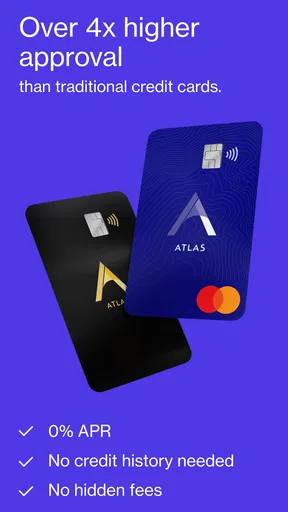
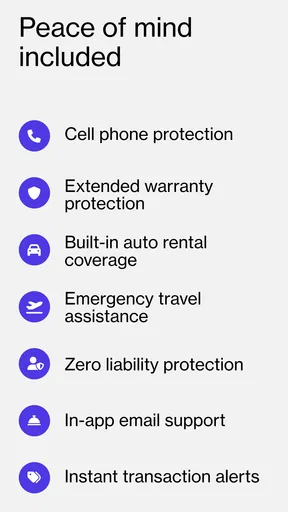
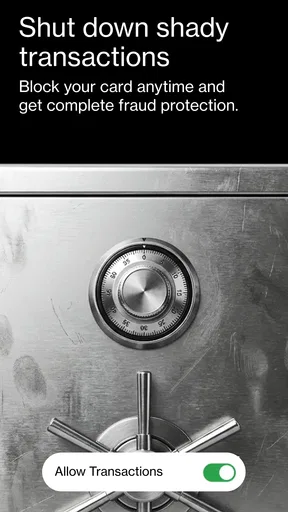
 Analysis by AppCompare
I tend to judge a rewards card by one practical question: does it make ordinary spending easier to keep track of, or does it tempt me to spend more just to chase perks? Atlas - Rewards Credit Card puts cash back and credit building at the center of its pitch. That combination may suit someone who wants one place to follow card activity, but the useful way to approach it is as a financial tool first and a rewards app second.
Atlas is a free finance app from Exto Inc. It has an average rating of 4.6 from around 105,000 ratings, and more than a million installs. It is rated for everyone, though the fact that the app is accessible to a broad audience does not make a credit product suitable for every person. The current version is 4.8.4, and the app was released on June 28, 2022.
Rewards work best when spending stays ordinary
I’d treat the rewards as a small by-product of purchases I already planned, not as a target to chase. That makes it easier to judge whether the card fits my routine: I’d check the terms against my usual spending and keep a simple payment habit before adding more transactions. The next section looks at how that approach can work in an ordinary week.
The appeal of earning while building credit
The central idea is straightforward: use the card for purchases you already planned to make, then keep an eye on the rewards and credit-building side through the app. I like that framing better than treating points as a reason to shop. A coffee, grocery run, or recurring household purchase can be a reasonable card transaction; an unnecessary purchase made to collect a perk is still unnecessary spending.
That distinction matters because rewards are only useful when they fit your normal routine. Before making Atlas your everyday card, I would check how its current rewards and redemption options work for the purchases you actually make. A program can look appealing in broad terms but matter little if its earning or redemption rules do not match your habits. I would also read the card terms carefully, since responsible use depends on understanding payment obligations, not only on watching a rewards balance.
How I would use the app in practice
For a simple routine, I would choose a small set of predictable expenses, use the card only for those, and review the activity regularly in the app. That keeps the rewards calculation tied to spending I would have done anyway. It also gives me a chance to catch a purchase I do not recognize or notice that a supposedly small daily habit has grown into a meaningful monthly cost.
A useful habit is to check card activity at a consistent time rather than opening the app only when a payment is due. For example, after a grocery trip, I could review the transaction while the receipt is still handy. If the amount looks wrong, I can investigate while the details are fresh. This is a modest workflow, but it is more practical than relying on rewards to make spending feel organized.
Worth Reading Before You Choose

EA SPORTS FC Mobile 26 Is a Bigger Football Game, but It Takes Time

Flipboard Shows What News Apps Must Do Beyond the Feed

Switching to Android Auto Means Rethinking Your Driving Routine

Google Calendar Makes a Crowded Week Easier to Manage

Ludo King Makes the Most of the Minutes Between Plans

Baby Panda World Brings Quick Play to Modern Phones, but Its Game Library Feels Busy
I would keep a separate note of any reward conditions that affect how I use the card, especially if an offer has a deadline or applies only to particular purchases. That avoids a common trap: remembering the advertised benefit but forgetting the conditions. I would not assume that every purchase earns the same amount or that a promotion applies automatically without checking its terms in the app.
A realistic everyday scenario
Imagine someone who buys groceries each week, pays for a few regular services, and occasionally gets lunch near work. They could use Atlas for selected purchases, check the posted activity later, and make sure the spending still fits their budget. If they are working on building credit, keeping the card use deliberate and the payment routine dependable should matter more than squeezing every possible point from lunch or errands.
That person should decide in advance what they can comfortably pay, rather than treating the available credit as extra income. A rewards balance is not a reason to carry a purchase that strains the budget. I would also avoid putting every expense on a new card immediately; starting with a few familiar categories makes it easier to learn the app’s workflow and understand how the card fits into existing finances.
Where it differs from a regular banking app
A standard bank app is usually the natural choice for someone who mainly wants to see account balances, move money, or manage an existing relationship with a bank. A rewards card app has a narrower job: making card activity and its associated benefits more visible. Atlas may appeal when cash back and credit building are the reasons for looking at a card in the first place, while a bank’s app may remain more useful for day-to-day banking tasks.
Compared with a simple cash-back card that a person tracks through a general banking app, Atlas brings the rewards-and-credit theme together in one product. That convenience does not automatically make it better. Someone who already has a card with benefits that fit their spending, or who prefers to keep financial products consolidated with their bank, may have little reason to switch. I would compare the actual terms and management experience rather than choosing based on the promise of rewards alone.
Trade-offs worth considering before applying
The first trade-off is attention. A card that makes rewards easy to notice can also make spending feel more rewarding than it really is. I would use the app to review purchases and keep a clear payment routine, not to browse for reasons to buy something. If tracking another account would make your finances feel more cluttered, a familiar debit card or a single existing card may be the better fit.
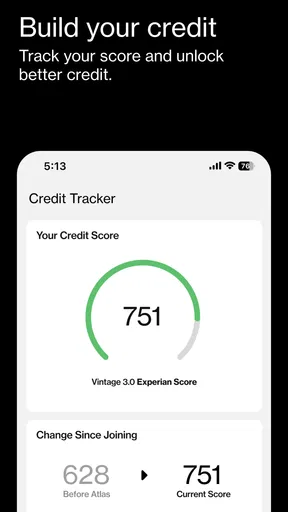
The second is that credit building is not an instant result. It is a longer-term financial goal, so I would not choose Atlas on the assumption that simply installing the app or making a few purchases will transform a credit profile. The useful question is whether the card’s terms, your payment habits, and your broader financial situation make it a sensible tool to use consistently.
I would also treat the app’s convenience as one part of the decision, not a substitute for reviewing the card agreement. Before relying on any card, check the costs, payment schedule, eligibility requirements, and the rules for earning or redeeming rewards. Those details can change the practical value of a product, so they deserve more weight than a polished screen or an attractive rewards headline.
Who is likely to get the most from Atlas?
I can see the appeal for someone who wants to make everyday card use more deliberate, is interested in earning cash back, and has a reason to work on building credit. It is especially worth considering if that person is comfortable checking transactions and keeping payments within a planned budget. The app’s free price makes it easy to explore, but the card itself should still be judged by its terms and by whether it fits the user’s habits.
It is less compelling for someone who pays with cash or debit and has no interest in using credit, or for anyone likely to overspend when rewards are attached to purchases. It may also be the wrong choice for a person who already has a better-fitting card and does not want another account to monitor. In those cases, the simplest financial setup may be more valuable than adding another rewards program.
Getting Started with Atlas
First off, setting up the Atlas - Rewards Credit Card app is a breeze. After downloading it from your app store of choice, the installation process is smooth and intuitive. They practically hold your hand through the setup, making sure you’re ready to start earning those sweet rewards.
The app’s interface is sleek and modern, with a user-friendly design that won’t leave you scratching your head in confusion. Everything is laid out clearly, making it easy to navigate through the various features.
Earning Rewards
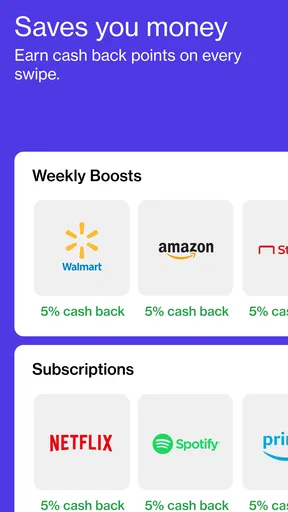
Now, this is where the magic happens! The Atlas - Rewards program offers a variety of ways to rack up points. Whether you’re buying groceries, booking flights, or just grabbing a coffee, you’re earning points with every swipe. I was pleasantly surprised by how quickly the points added up.
They also offer special promotions and bonus points for shopping with select partners. Keep an eye on these deals; they can significantly boost your points balance, and trust me, they’re worth it.
Managing Your Finances
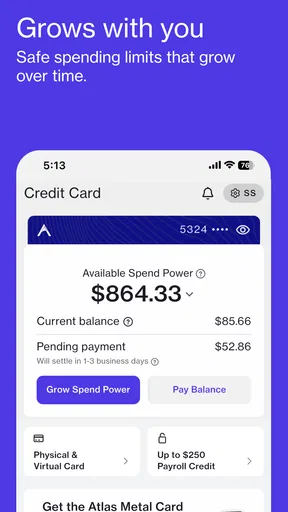
The app isn’t just about earning rewards; it’s also a handy tool for managing your finances. You can track your spending in real-time and set budgets to keep your spending in check. The insights provided are detailed, showing you where your money is going and helping you make informed financial decisions.
Another cool feature is the ability to set up alerts for payment due dates and spending limits. It’s like having a personal financial advisor in your pocket, ensuring you never miss a beat.
Customer Support and Security
I know security is a big deal for everyone, especially when it comes to financial apps. The Atlas team seems to have this covered. They employ top-notch security measures, including biometric login and encryption, to keep your information safe. It’s reassuring to know that they’re committed to protecting your data.
If you ever run into any issues, their customer support is just a tap away. I had a question about redeeming points, and they were incredibly responsive and helpful. It’s always great to know there’s someone ready to assist when you need it.
Final Thoughts
So, is the Atlas - Rewards Credit Card app worth downloading? Absolutely! It offers a seamless experience for anyone looking to earn rewards while managing their finances smartly. The combination of a user-friendly interface, robust security, and excellent customer support makes it a standout option in the crowded credit card app market.
If you’re ready to take your rewards game to the next level, give this app a try. It might just become your new favorite financial companion!
Pros
- Generous cashback on everyday purchases.
- No annual fee for cardholders.
- User-friendly mobile app interface.
- Instant notifications for transactions.
- Access to exclusive partner discounts.
Cons
- High interest rates on overdue balances.
- Limited international acceptance.
- Requires excellent credit for approval.
- Rewards redemption options are limited.
- Customer service can be slow to respond.
FAQs for Atlas - Rewards Credit Card
What is Atlas - Rewards Credit Card and how does it work?
Atlas - Rewards Credit Card is a mobile application designed to help users manage their credit card expenses while earning rewards. It offers an intuitive interface to track spending, set budgets, and redeem rewards points for various benefits. Users can link multiple cards, view detailed transaction histories, and receive personalized spending insights.
What rewards can I earn with the Atlas app?
With Atlas, users can earn rewards points for every purchase made using linked credit cards. These points can be redeemed for cashback, travel discounts, gift cards, or exclusive deals from partner merchants. The app offers various reward categories, allowing users to choose options that best suit their lifestyle and spending habits.
Is my financial information safe with the Atlas app?
Yes, the Atlas app prioritizes user security by employing advanced encryption and security protocols to protect financial data. It adheres to industry standards to ensure user information is secure. Additionally, the app offers features like biometric login and two-factor authentication to enhance account safety and provide peace of mind.
Are there any fees associated with using the Atlas app?
The Atlas app is generally free to download and use. However, certain premium features or reward programs may require a subscription or one-time fees. Users should review the app's terms and conditions for detailed information on any potential costs associated with advanced features or exclusive rewards.
How can I maximize my rewards with the Atlas app?
To maximize rewards, users should regularly check the app for special promotions and bonus point opportunities. Linking all eligible credit cards and categorizing expenses can help in tracking spending effectively. Users should also explore partner offers and utilize the app's budgeting tools to optimize spending and reward accumulation.


